If you are running a fashion or apparel brand on Shopify and the theme still looks fine but conversion has plateaued, this is usually where the problem sits. Fashion is one of the few Shopify categories where the product photo does more selling than the copy. A buyer can read a full ingredient list on a skincare page and still feel unsure. On a fashion page, one honest photo of how a garment drapes on a body answers a question that paragraphs of description never will.
That is also why fashion stores fail in a specific way. The design usually looks fine. What it does not do is answer the two questions a shopper has before checkout: will this fit me, and will it look the way it does in the photo.
A generic Shopify theme was not built to answer either question well. Most brands do not feel that gap until the catalog, the sizing logic, or the drop cadence outgrows what the theme was designed to handle. This article breaks down what a custom Shopify build for a fashion brand actually needs to solve, when a theme is still the right call and when it is not, and what that decision typically costs and takes, with real examples from stores we have built.
Most product categories on Shopify sell on a fixed spec. A phone case is a phone case regardless of who is holding it. Fashion does not work that way. The same dress reads differently depending on body shape, fabric weight, and how a customer plans to wear it, and none of that is visible in a flat product photo shot on a hanger.
That uncertainty shows up directly in the numbers. Research from Coresight Research and Alvanon puts the US online apparel and footwear return rate at 23.4% in 2025, and attributes roughly 70% of those returns to size and fit rather than to damage or quality. A standard theme treats a dress the same way it treats a phone case: photo, price, a size dropdown, add to cart. That is not a design failure exactly. It is a mismatch between what the theme was built for and what a fashion buyer needs in order to make a confident decision.
Beauty e-commerce runs into a related version of this problem, where the uncertainty is about shade instead of fit. The underlying lesson carries over between verticals, and the full breakdown for that category sits in our guide to the best Shopify agencies for beauty and cosmetics brands.
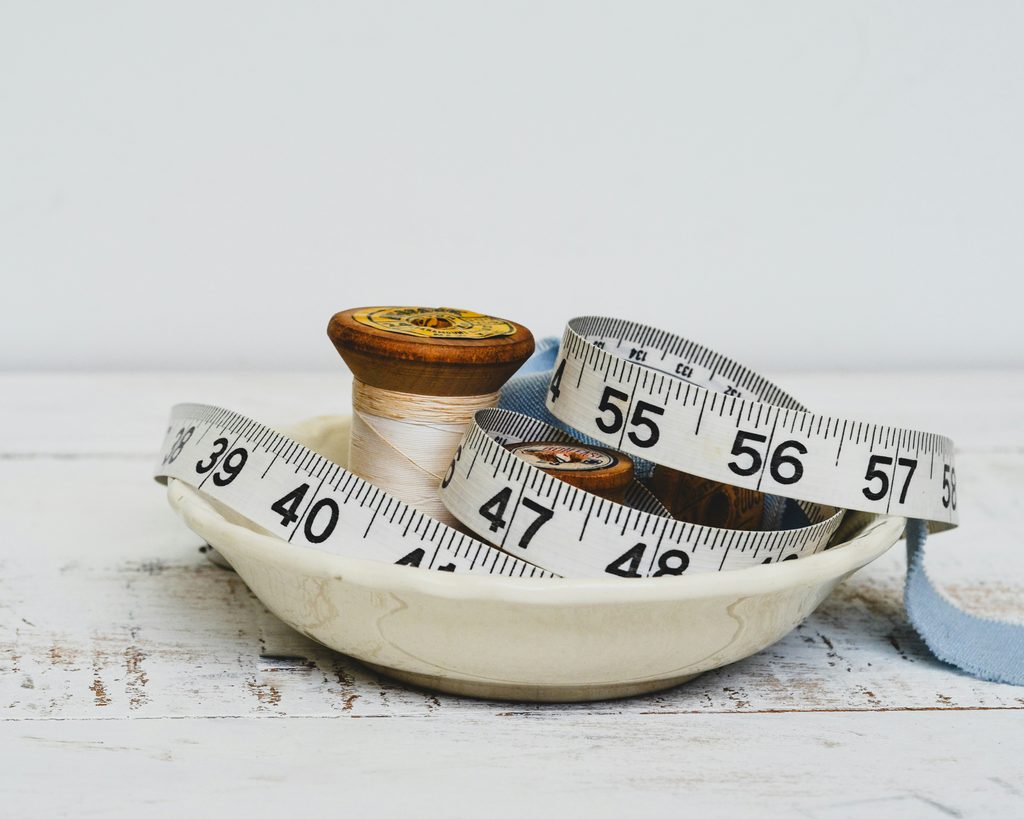
The product page is where a fashion sale is won or lost, and sizing is the part of the page doing the heaviest lifting. Baymard Institute found that 84% of test participants used the size guide to determine their size, which makes it one of the most-used elements on the page. The same benchmark found that 36% of tested sites offered no interactive size finder at all, leaving shoppers to work out fit from a static chart alone.
A static size chart and an interactive size finder solve different problems, and a fashion store needs both. The chart gives a shopper their raw measurements against the brand numbering. The finder does the harder work: translating those measurements into a recommendation for one specific garment, accounting for cut, fabric stretch, and how the brand sizing runs against a standard. Shipping the chart alone is the more common mistake, and it is the one that shows up later as a return.
The instinct once a brand decides to invest in fit guidance is to over-explain it. A long paragraph about fabric composition and cut philosophy sits above a chart, and most shoppers skip straight past it to find their number. Fit information converts better as structure than as prose: model height and the size they are wearing, a one-line note on how the fabric behaves, and the chart itself, all visible without scrolling past a block of copy.
This mattered directly on The Bridal Gallery, a custom Shopify build for a wedding dress retailer carrying sizes from petite through plus. A wedding dress purchase is an emotional, high-stakes decision made once, and a shopper is not going to read three paragraphs to feel confident in a size. The build paired a clear size and category structure with a lookbook that visualized how different styles look worn, plus a booking system for in-person or virtual consultations. The fit question did not get solved by more text on the page. It got solved by giving shoppers a faster path to the information and, where the brand needed it, a human on the other end of a booking.
Beauty and wellness brands mostly sell the same core SKUs on repeat, which is why subscription logic matters so much in that category. Fashion runs on the opposite rhythm. Catalogs turn over by season, drop, or capsule, and last month bestseller can be sold out and archived by the time a new customer lands on the site.
That turnover has to be designed into the collection structure itself. A theme default collection logic assumes a relatively stable catalog: a handful of categories, manually curated, rarely restructured. A fashion brand running seasonal drops needs collections that can be built, launched, and archived on a schedule. It also needs clear separation between new arrivals, current season, and past-season stock that is still sellable but should not compete for the same homepage real estate.
Artificial Printer is a useful edge case here. The brand AI-generated t-shirt designs mean every customer interaction can produce something close to a one-off product, printed only when ordered as a deliberate counter to fast-fashion waste. That is a more extreme version of the architecture problem every seasonal fashion catalog faces. The collection structure and the underlying data model both have to support a catalog that does not hold still, instead of forcing a constantly moving product line into a structure built for a fixed one.
Fashion buyers do not separate the story from the product the way a shopper researching a kitchen appliance does. A campaign photo, a styling note, or a lookbook page is often what gets someone to the product page in the first place. If that content lives in a completely different part of the site from the buying experience, the brand loses the momentum it just built.
The stronger approach treats editorial and commerce as parts of the same template rather than separate sections of the site. A lookbook page that links directly into the specific products shown, rather than back to a generic collection, keeps a shopper moving instead of making them search for what they just saw. This is what the lookbook did on The Bridal Gallery build. It was not a marketing add-on bolted next to the store. It was structured to carry a shopper from inspiration into a specific product and, from there, into booking an appointment.
Getting this right in Shopify usually means custom sections and metafields rather than a theme built-in blog. Default content tools are built for generic pages. Forcing rich editorial content through them tends to produce either a clunky blog that feels disconnected from the store, or a homepage stretched past what it was designed to hold.
Fashion photography carries more weight per image than almost any other category. A single product often needs multiple angles, a worn shot, a detail shot on fabric texture, and increasingly a shot showing movement or drape, since a static flat lay tells a shopper almost nothing about how a garment behaves. That volume of imagery is also fashion biggest performance liability if it is not handled deliberately.
The fix is not fewer images. It is a photography system built around responsive delivery: correctly sized images served per device, modern formats like WebP, lazy loading below the fold, and a CDN doing the resizing rather than the browser downloading a full-resolution file for a thumbnail slot. Skipping this step is one of the fastest ways a visually rich fashion store ends up slow on mobile, and mobile is where most fashion traffic, especially from social channels, actually lands.
Artificial Printer interactive design tool adds a second layer to the same problem. Letting a customer generate and preview a custom design before ordering means rendering has to happen close to instantly, or the interaction that is supposed to build excitement starts to feel like friction. Custom product visualization and page performance are not separate concerns on a build like that. They are the same engineering problem viewed from two angles.
“Premium” gets used loosely in fashion branding, but on a Shopify build it has a specific, checkable meaning: pixel-accurate execution of the design, custom interaction detail, and commerce logic a theme was never built to run.
The Bridal Gallery build is a clear example of the first part. The brand designs started as Figma prototypes, and getting from a static design file to a live, pixel-perfect Shopify store required custom HTML, CSS, and Liquid work, plus custom animations and transitions to hold the same visual consistency a static mockup has once real interaction and real data get introduced. On a build like this, the gap between design file and live store is not a single line item on a quote. It is the size guide, the lookbook, and the booking flow each needing their own custom templating and QA pass before they behave like the Figma file promised. That is where a theme-only build tends to fall short.
The second part, custom commerce logic, shows up outside fashion just as often as inside it, and the same build decisions apply either way. A subscription model, a referral and bonus system, or a waitlist that caps daily access to a limited allocation are all things a standard theme does not offer, because it was not built to. We built exactly that combination for Jung, a premium longevity and wellness brand, entirely as custom development once the founders requirements outgrew what any Shopify theme could support. A fashion brand running a members-only drop, an invite-based restock, or a loyalty program tied to specific collections is solving the same category of problem, and the answer is the same. That logic gets built, not configured.
Not every fashion brand needs a fully custom build from day one. A well-configured theme can carry a smaller catalog through its early growth, particularly if the product line is simple and drop frequency is low enough that manual collection updates are not a burden yet.
The shift to custom development tends to happen at a specific point, and it usually shows up as one of a few signals. Drop or seasonal turnover starts outpacing what the theme collection tools can handle cleanly. Fit and sizing complexity grows across categories with genuinely different measurement logic, like footwear alongside outerwear. Editorial ambitions outgrow what a default blog template can carry without looking bolted on. Or the brand wants something interactive, a configurator, a booking system, a size finder tuned to its own fit data, that a theme does not offer as a built-in feature.
A brand can check where it stands against those signals rather than guessing. Two or more “yes” answers below usually means the limitations have gone from cosmetic to structural:
The same split holds across the specific decisions this article has covered:
| Design decision | Theme handles it | Needs custom development |
| Static size chart | Yes, with a theme app | Usually not required |
| Interactive size finder tuned to your own fit data | No | Yes |
| Simple seasonal collections, low drop frequency | Yes | Usually not required |
| Frequent drops with scheduled launch and archive | Rarely | Yes |
| Lookbook linked directly into product pages | Rarely | Yes |
| Booking or appointment system tied to products | No | Yes |
| Product configurator or generative customization | No | Yes |
| Subscriptions, waitlists, or referral logic | No | Yes |
At that point the limitations are not cosmetic anymore. They are structural, and no amount of theme customization removes them. Of the features on that list, a size finder and a stronger collection architecture are usually the fastest additions to scope and build. A booking system or a generative configurator are the ones most likely to push a timeline out further, since both add their own interaction logic on top of the core store.
If you are working out which side of that line your fashion brand sits on, our Shopify web design agency portfolio shows what custom fashion and e-commerce builds look like in practice, custom Shopify development covers what gets built once a theme runs out, and our UI/UX design process is where that decision usually starts, well before a single line of Liquid gets written.
We will run your current store against the checklist above, tell you plainly whether a theme still fits or you have hit the point where custom development pays for itself, and give you a real cost and timeline estimate before you commit to anything.
Fashion sells on fit and visual context in a way most categories do not. Sizing, drape, and photography carry more of the conversion weight than the product description does. A generic Shopify theme treats every product the same way regardless of category, so the elements that actually decide a fashion sale, size guidance, lookbook content, and seasonal collection structure, are usually the ones a theme handles worst by default.
Cost scales with scope rather than with catalog size. A build limited to a size finder and a stronger collection architecture costs meaningfully less than one that also includes a lookbook system, a booking flow, or a product configurator. Ask any agency you are evaluating for pricing tied to specific features rather than a single flat number, and treat a quote that does not break down by scope as a red flag.
A configured theme can carry a smaller catalog through early growth, especially with low drop frequency and simple sizing inside one product category. Custom development starts to pay for itself once two or more of these apply: collections get rebuilt by hand every season, two or more categories need genuinely different sizing logic, editorial content is forced into a blog template, a feature has been dropped because the theme cannot support it, or mobile conversion has plateaued despite steady traffic.
An interactive size finder alongside a static size chart is the single most effective addition, since roughly 70% of online apparel returns trace back to size and fit rather than to damage or quality. Clear fit notes on how the fabric behaves, consistent model height and size-worn references across the catalog, and honest, well-lit photography that shows true color and drape all narrow the gap between what a shopper expects and what arrives.
Look for named fashion or apparel clients rather than a single logo in an otherwise unrelated portfolio. Ask how the agency has handled sizing, fit guidance, and seasonal collection structure on past builds, and ask to see a lookbook or editorial integration it has actually shipped. A clear answer on pricing and timeline tells you more than a generic list of services.
Across our own fashion and e-commerce builds, most run 8 to 14 weeks from kickoff to launch, covering discovery, design, development, and QA. A single-category catalog with simple sizing and no booking or configurator logic finishes at the shorter end. A multi-category catalog, or a feature like a booking system or a generative configurator, pushes the timeline toward the longer end or past it.